Plumber’s Guide: Repiping Services That Extend the Life of Your Home
Your home’s plumbing system is one of its most vital components. From providing clean water to ensuring proper drainage, functional pipes keep your household running smoothly. However, over time, even the most durable pipes can wear down, corrode, or develop leaks. That’s where repiping services come in — a solution that not only addresses immediate plumbing issues but also extends the life of your home.
In this guide, we’ll explore the signs you need repiping, the benefits of upgrading your pipes, and how professional plumbing services can save you money and stress in the long run.
What Is Repiping?
Repiping is the process of replacing old or damaged pipes in your home with new, durable plumbing lines. Rather than continually fixing leaks or addressing recurring water issues, repiping provides a long-term solution.
Modern materials used for repiping include:
PEX (cross-linked polyethylene): Flexible, corrosion-resistant, and cost-effective.
Copper pipes: Durable, long-lasting, and heat-resistant.
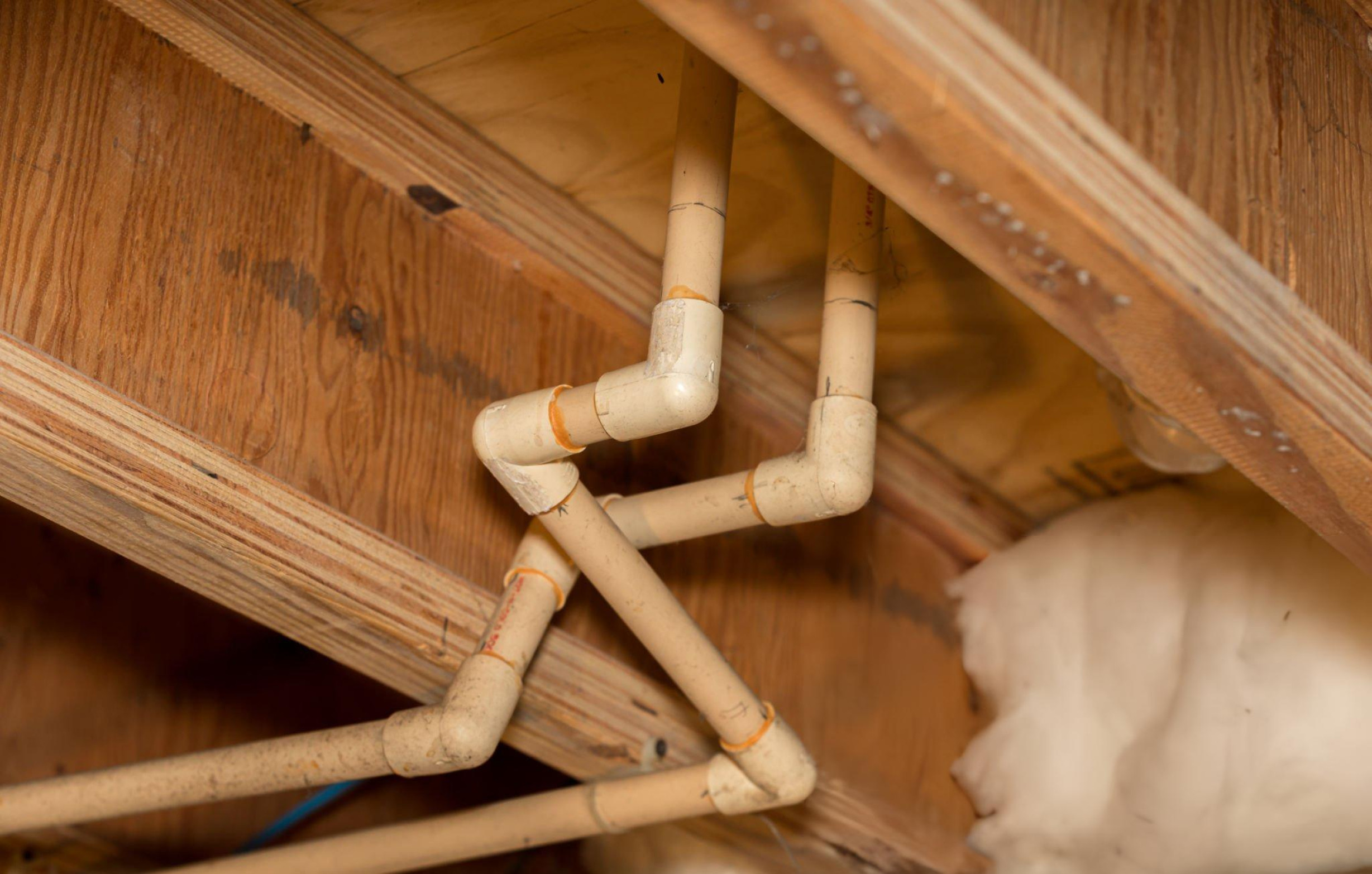
CPVC piping: Lightweight, affordable, and chemical-resistant.
Professional plumbers carefully plan the repiping process to ensure minimal disruption while maximizing efficiency and durability.
Why Repiping Is Important
Even a single small leak can cause significant water damage over time. Old or corroded pipes can result in:
Reduced water pressure
Rusty or discolored water
Frequent leaks and water damage
Higher water bills
Mold or mildew growth
Homes built before the 1980s are especially prone to plumbing issues due to outdated galvanized steel or polybutylene pipes. Repiping ensures your plumbing system functions safely and efficiently for decades.
Signs You Need Repiping Services
Knowing when to repipe your home can prevent costly repairs later. Here are the most common warning signs:
1. Frequent Leaks
If you notice multiple leaks around your home, it’s a strong indicator that your pipes are deteriorating. While spot repairs may work temporarily, widespread leaks suggest a full repiping is necessary.
2. Discolored or Rusty Water
Brown or yellow water often signals corrosion inside your pipes. When water appears discolored in multiple faucets, it’s a warning that your plumbing system may need replacement.
3. Low Water Pressure
If your water pressure is consistently low despite clean fixtures, mineral buildup or pipe corrosion may be restricting water flow.
4. Noisy Pipes
Banging, rattling, or knocking sounds in your plumbing system can indicate unstable fittings or pressure issues caused by aging pipes.
5. Visible Pipe Damage
Exposed pipes showing rust, greenish corrosion, or flaking paint suggest internal damage and potential leaks.
Benefits of Repiping Your Home
Repiping isn’t just about fixing current problems; it’s an investment in your home’s future.
Improved Water Pressure
New pipes restore optimal flow, allowing your showers, faucets, and appliances to function properly.
Better Water Quality
Replacing corroded pipes removes rust and metallic taste, improving water safety and quality.
Reduced Maintenance Costs
Instead of recurring repairs, a repipe provides a long-term solution that saves money and frustration.
Increased Home Value
Modern plumbing is a strong selling point. Homes with updated pipes are more appealing to buyers.
Enhanced Energy Efficiency
Efficient water flow reduces strain on your water heater and other plumbing-related systems, lowering energy costs.
The Repiping Process
Professional plumbers follow a structured approach:
Inspection and Assessment – Evaluate existing pipes and determine the scope of replacement.
Planning – Select the best pipe material and route for replacement.
Removal or Bypass – Safely remove old pipes or bypass them temporarily.
Installation of New Pipes – Install modern piping system with proper fittings.
Pressure Testing – Ensure the new system functions flawlessly under normal water pressure.
Clean-Up and Minor Repairs – Patch walls or ceilings where access was necessary.
Most homes can complete the repiping process within 2–5 days depending on size and complexity.
Choosing the Right Pipe Material
The right material depends on your home’s needs and budget:
PEX: Affordable, flexible, and resistant to corrosion. Easier and faster to install.
Copper: Long-lasting, durable, heat-resistant, and ideal for homes with hard water.
CPVC: Lightweight, resistant to chemical corrosion, and cost-effective for budget-conscious homeowners.
A professional plumber can help select the best option based on longevity, water quality, and installation requirements.
Cost Considerations
Repiping costs vary depending on:
Home size and number of bathrooms
Pipe material
Labor and accessibility
Extent of plumbing damage
While the initial investment may seem high, repiping is often more cost-effective than continual repairs and water damage restoration.
Preventive Maintenance After Repiping
Once your home has new plumbing, proper care extends the life of your pipes:
Monitor water pressure regularly
Address small leaks immediately
Keep water softeners if needed in hard water areas
Schedule periodic inspections to catch minor issues early
Modern piping systems, if maintained, can last 50+ years.
Common Repiping Myths
“Repiping is always disruptive.” – Professionals minimize disruption; most projects are completed in a few days.
“I can just keep repairing old pipes.” – Recurring repairs cost more over time and risk structural damage.
“PEX is inferior to copper.” – PEX is highly durable and often easier to install, making it a great modern option.
Understanding the facts helps homeowners make informed decisions.
Frequently Asked Questions (FAQs)
1. How do I know if I need a full repipe?
If multiple leaks, rusty water, and low pressure are consistent, a full repipe is more cost-effective than repeated repairs.
2. How long does repiping take?
Most homes are completed within 2–5 days depending on size and plumbing complexity.
3. Will repiping damage my walls or floors?
Minimal wall access is required, but professional plumbers repair any minor damage after installation.
4. What is the best pipe material for repiping?
PEX is flexible and affordable; copper is durable and heat-resistant. The choice depends on your home and budget.
5. Can I stay in my home during repiping?
Yes. Water may be temporarily shut off during certain phases, but homeowners usually remain in the property throughout the project.
Repiping is a smart investment that safeguards your home’s plumbing, improves water quality, and prevents costly repairs in the future. By recognizing the signs of aging pipes and choosing professional repiping services, homeowners can extend the life of their home and enjoy a worry-free plumbing system for decades.
